3D Tumbler Wrap Sunflowers Sublimation: Elevating Custom Drinkware Design
The custom drinkware market has shifted dramatically in recent years, moving away from simple vinyl decals toward immersive, full-coverage aesthetics that feel professionally manufactured. At the forefront of this evolution is the 3D tumbler wrap sunflowers sublimation trend, a design approach that combines the timeless appeal of botanical art with modern printing technology. For creators, small business owners, and hobbyists, understanding the nuances of these digital assets is essential for producing high-quality results that meet current consumer expectations. The specific 20 oz skinny tumbler wrap sublimation design PNG instant digital download serves as a prime example of how accessible professional-grade design has become, provided users understand the technical requirements and creative potential of the format.
The Shift Toward Immersive Botanical Aesthetics
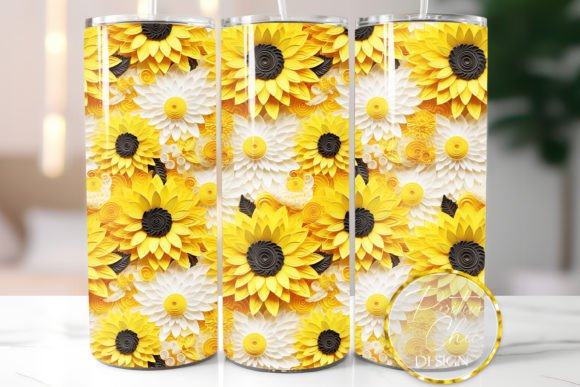
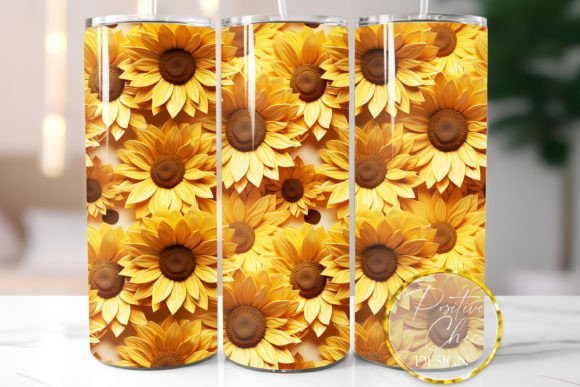
Sunflower motifs have long been a staple in craft and home decor, but their application in drinkware has evolved significantly. Modern consumers are no longer satisfied with flat, centered images; they seek depth, texture, and continuity. A 3D tumbler wrap achieves this by utilizing shading, lighting effects, and seamless patterns that trick the eye into perceiving dimension on a cylindrical surface. This visual depth transforms a standard utility item into a statement piece. The relevance of this specific aesthetic lies in its versatility. Sunflowers bridge the gap between rustic farmhouse charm and contemporary bold design, making them suitable for a wide demographic ranging from Gen Z trend-followers to older generations who appreciate classic florals.
This design trend also reflects a broader shift in personalization. In an era of mass production, buyers crave items that feel bespoke. The intricate details found in high-resolution sublimation wraps offer a level of sophistication that traditional heat transfer vinyl cannot replicate. When a customer purchases a tumbler featuring a 3D sunflower wrap, they are buying into an aesthetic that suggests care, artistry, and attention to detail. For sellers, offering designs that capture this demand is crucial for staying competitive in saturated marketplaces like Etsy or at local craft fairs.
Understanding Digital Asset Specifications and Sizing
Success in sublimation relies heavily on technical precision. When acquiring a 20 oz skinny tumbler wrap sublimation design PNG instant digital download, it is vital to understand exactly what is being delivered. This specific asset provides one instant digital download PNG file at 300 DPI, measuring approximately 9.3 x 8.2 inches. This resolution is non-negotiable for professional results; anything lower risks pixelation when wrapped around a curved surface. The 300 DPI standard ensures that the delicate petals and shadow details of the sunflower design remain crisp after the heat press process.
A critical aspect of this design is its sizing strategy. The file is created slightly larger than the standard 20oz skinny straight tumbler dimensions. This intentional oversizing addresses a common pain point in the industry: manufacturing variance. Not all tumbler brands adhere to identical measurements, even if they are labeled as the same size. By providing a larger canvas, the design allows creators to resize and crop the image to fit their specific brand of tumbler perfectly without leaving unsightly white gaps at the edges. This flexibility is essential for maintaining a professional finish across different inventory sources.
It is equally important to note what is not included. NO SVG files are included with this purchase. This distinction defines the intended use case. SVGs are vector files meant for cutting machines, whereas this PNG is a raster image designed exclusively for dye-sublimation printing. Confusing these two formats is a frequent error for beginners, leading to frustration when files do not behave as expected in cutting software.
Navigating Software Compatibility and Workflow
One of the most significant barriers to entry for new sublimation creators is software confusion. It cannot be overstated: We do not recommend printing from cutting software like Design Space or Silhouette. These programs are engineered for vector manipulation and blade control, not color management for sublimation ink. Attempting to print a complex 3D tumbler wrap sunflowers sublimation design through these platforms often results in color shifting, banding, or improper scaling.
This is NOT a cut file and is not compatible with software designed for vinyl crafting. Sublimation requires a dedicated workflow that respects color profiles and printer drivers. For those who do not own specialized sublimation print managers, there are excellent free alternatives that handle raster images correctly. Recommended software includes:
- Paint: A basic but functional option for simple resizing and direct printing without color interference.
- Canva: Useful for adding personalized text or names over the sunflower background before printing, provided export settings maintain high resolution.
- Inkscape: A powerful open-source alternative that offers robust color management and sizing tools suitable for sublimation workflows.
Using the correct software ensures that the vibrant yellows and deep browns of the sunflower design translate accurately from screen to substrate. It also streamlines the production process, reducing wasted materials and time spent troubleshooting color issues.
Managing Color Expectations and Equipment Requirements
Digital design exists in the RGB color space, while sublimation printing operates in CMYK. This fundamental difference means that colors will always vary from computer to computer and will depend heavily on your specific printer, ink formulation, and substrate coating. A sunflower that appears neon bright on a backlit monitor may print as a warmer, more muted gold depending on these variables. Professional creators manage this by creating test prints and building physical color charts rather than relying solely on screen accuracy.
Furthermore, users must recognize that sublimation requires specialized equipment. Standard inkjet printers and regular paper will not work. You need a printer converted for sublimation ink or a dedicated sublimation printer, along with sublimation paper and polymer-coated tumblers. The "3D" effect in these wraps is purely visual; it does not involve embossing or textured paper. The illusion of depth comes entirely from the graphic design and the quality of the ink transfer. Understanding this helps set realistic expectations for first-time buyers who might assume the file itself contains physical texture data.
Commercial Use, Copyright, and Ethical Creation
For entrepreneurs and freelancers, understanding the licensing and terms of sale is as important as the design itself. This 20 oz skinny tumbler wrap sublimation design PNG instant digital download is protected under COPYRIGHT Positive Chic 2023 All Rights Reserved. Respecting intellectual property is foundational to a sustainable creative business. While the design can be used to create physical products for sale, the digital file itself typically cannot be redistributed, shared, or sold as part of a bundle. Adhering to these terms protects the original artist and maintains the integrity of the marketplace.
Additionally, due to the nature of digital sales, NO REFUNDS WILL BE GIVEN. Once a file is downloaded, it cannot be "returned." This policy is standard across the digital design industry but requires buyers to be diligent before purchasing. Creators should verify their equipment compatibility, measure their tumblers, and ensure they have the appropriate software before completing the transaction. If issues arise, the best course of action is to message the seller directly. Open communication often resolves technical misunderstandings that might otherwise lead to negative experiences.
Practical Implications for Modern Makers
The availability of high-quality, pre-sized 3D tumbler wraps has democratized access to professional merchandise creation. Small business owners can now offer product lines that rival large manufacturers without investing thousands in industrial printing equipment. However, this accessibility demands a higher level of technical literacy. The modern maker must be part artist, part technician, and part compliance officer.
Integrating designs like the sunflower wrap into a business strategy involves more than just printing. It requires understanding seasonal trends (sunflowers peak in late summer and autumn), pairing designs with complementary packaging, and marketing the "3D" aspect effectively in photography. Because the design is digital, inventory risk is low, allowing creators to test market response before committing to bulk production. This agility is the primary advantage of the instant digital download model.
Ultimately, the success of a 3D tumbler wrap sunflowers sublimation project hinges on respecting the medium. By acknowledging the specific sizing allowances, avoiding incompatible cutting software, managing color expectations, and adhering to copyright standards, creators can produce stunning, sellable goods. The technology has made the process easier, but the craftsmanship still belongs to the user. As the market continues to mature, those who combine artistic vision with technical discipline will be the ones who stand out, turning simple digital files into tangible, cherished objects.