Crafting Dimensional Faith: A Technical Guide to 3D Easter SVG DXF Cross Svg 4 Layers Projects
The intersection of digital fabrication and traditional holiday symbolism has created a new category of devotional art. Among the most technically engaging formats for this niche is the 3D Easter SVG DXF Cross Svg 4 Layers design system. Unlike standard flat vinyl decals or single-layer paper cuts, these four-tiered assemblies utilize depth, shadow, and precise registration to create luminous shadow boxes and dimensional wall art. For makers using Cricut, Silhouette, or laser cutting systems, understanding the structural integrity and material requirements of these specific layered mandala files is essential for moving beyond simple crafting into professional-grade production.
Anatomy of the Four-Layer Mandala Structure
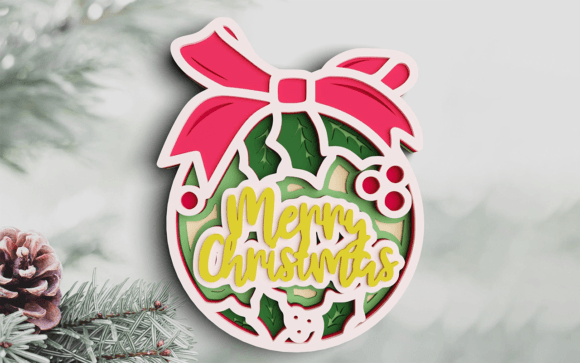
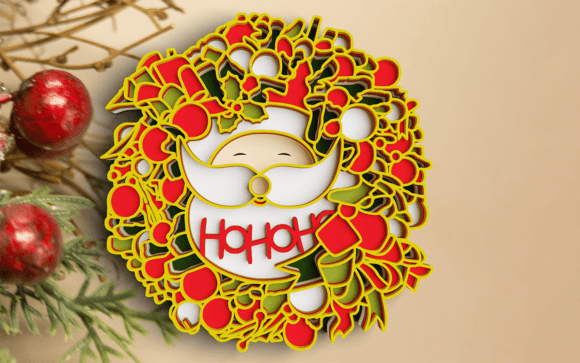
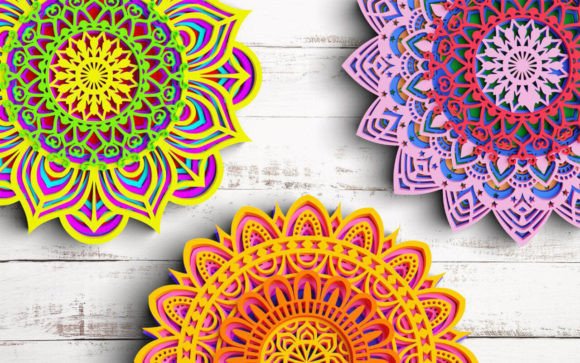
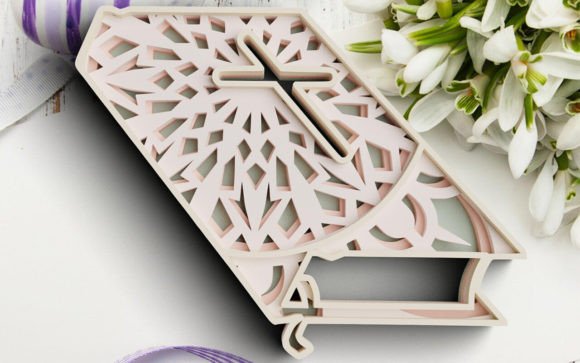
To successfully execute a project using a 3D Easter SVG DXF Cross Svg 4 Layers bundle, one must first understand the architectural logic behind the file separation. These designs are not merely stacked images; they are engineered components where each layer serves a distinct optical and structural function. The "4 Layer" specification typically follows a deliberate progression from background to foreground.
The base layer usually acts as the anchor, often featuring a solid backing or the widest portion of the mandala pattern to provide stability. In religious-themed Easter bundles, this layer frequently incorporates subtle geometric patterns that frame the central motif without competing for visual attention. The second and third layers introduce the primary narrative elements—the cross, biblical typography, or intricate floral mandalas. These intermediate layers are responsible for creating the parallax effect that defines 3D paper art. The final top layer is generally the most detailed and delicate, serving as the focal point that catches light and casts shadows onto the layers beneath.
When working with these layered SVG files, precision in spacing is paramount. The digital files include cut lines that account for material thickness. If a maker substitutes the recommended cardstock weight with a thinner paper, the intended shadow gaps may collapse, resulting in a flat appearance. Conversely, using material that is too thick can prevent the layers from seating correctly within a shadow box frame. Understanding this tolerance is what separates a successful 3D assembly from a frustrated attempt.
Material Selection and Machine Calibration
The versatility of the included file formats—SVG, DXF, EPS, PDF, and PNG—allows for cross-platform compatibility, but material choice dictates which format and machine setting to prioritize. For users utilizing Cricut Design Space or Silhouette Studio Designer, the layered SVG format is optimized for blade cutting. However, the success of a 3D Easter SVG DXF Cross Svg 4 Layers project relies heavily on selecting the correct substrate.
- 65lb to 80lb Cardstock: This is the industry standard for four-layer shadow boxes. It provides enough rigidity to hold foam tape spacers without warping while remaining thin enough for intricate mandala cuts.
- Pastel and Metallic Papers: Easter themes benefit significantly from color theory. Using distinct colors for each of the four layers enhances the depth perception. A white top layer over a gold metallic middle layer creates an internal glow that flat printing cannot replicate.
- Vellum Inserts: Advanced crafters often replace one of the middle layers with vellum. When backlit, this diffuses light through the cross or bible verse elements, adding a spiritual luminescence to the piece.
For those utilizing laser cutters, the DXF and EPS files in the bundle offer superior vector paths compared to SVGs. Laser cutting eliminates the mechanical drag associated with blade turning, resulting in cleaner edges on complex mandala intersections. When processing the DXF files for laser cutting, it is critical to adjust power and speed settings to avoid scorch marks on lighter Easter-colored papers. Test cuts on scrap material are mandatory, as the four layers may require different power settings depending on their density and detail level.
Assembly Techniques for Professional Shadow Boxes
Acquiring the instant download zip file is only the first step; the physical assembly determines the final quality. A 3D Easter SVG DXF Cross Svg 4 Layers design requires methodical alignment. Because these designs blend organic mandala curves with rigid cross geometry, even minor misalignments become visually apparent.
Professional assemblers recommend using foam adhesive squares rather than liquid glue. Liquid adhesives introduce moisture that causes paper to buckle, destroying the precise air gaps required for the 3D effect. Foam spacers maintain consistent distance between the four layers. When applying spacers, place them at structural anchor points—typically the corners of the square frame and the center intersection of the cross. Avoid placing adhesive directly behind delicate mandala filigree, as the pressure can crush the paper texture.
Registration marks are often built into high-quality layered PDF and SVG files. Before removing any cut pieces from the mat, verify that these alignment guides match across all four layers. If the digital file does not include physical registration tabs, create a custom jig using an L-shaped ruler taped to your work surface. This ensures that every layer is placed in the exact same coordinate position during stacking. For gifts intended for long-term display, consider sealing the finished shadow box with UV-resistant glass or acrylic to prevent the pastel Easter dyes from fading under ambient light.
Commercial Applications and Gift Economy
Beyond personal hobbyist use, these layered bundles serve a significant role in the small business and religious education sectors. The blend of Easter, Cross, Bible, and 3D Mandala themes makes these designs uniquely positioned for specific markets. Religious educators and Sunday school teachers utilize these projects as tactile teaching tools. Assembling a four-layer cross helps students engage physically with the symbolism of the resurrection, transforming abstract theology into a concrete, hands-on experience.
For Etsy sellers and craft vendors, the 3D Easter SVG DXF Cross Svg 4 Layers bundle offers a high-perceived-value product with low material costs. The complexity of the 3D effect justifies a higher price point than flat prints. Sellers can offer both the digital files for DIY customers and pre-assembled shadow boxes for those lacking equipment. The inclusion of PNG clip art files further expands commercial utility, allowing vendors to create matching greeting cards, social media announcements, or apparel transfers that coordinate with the physical 3D decor.
When selling finished goods derived from these files, transparency regarding the manufacturing process builds trust. Disclosing whether a piece was laser-cut or hand-assembled, and specifying the archival quality of the paper, appeals to buyers looking for heirloom-quality religious art rather than disposable seasonal decorations.
Optimizing Workflow Across Software Platforms
The multi-format nature of this bundle addresses the fragmented landscape of digital crafting software. However, users must select the appropriate file type for their specific workflow to avoid common technical pitfalls.
Cricut and Silhouette Users
Utilize the Layered SVG files. These are pre-organized with grouped layers that correspond to the four physical tiers. In Cricut Design Space, ensure that "Ungroup" is used cautiously; keeping layers grouped maintains the relative sizing. If resizing is necessary, always lock the aspect ratio to prevent the mandala circles from becoming ovals, which would ruin the alignment with the cross elements.
Laser Cutting Operators
Prioritize DXF and EPS formats. SVGs can sometimes contain hidden nodes or double-cut lines that confuse laser software like LightBurn or RDWorks. DXF files provide clean, continuous vector paths ideal for optimizing cut order. Grouping identical cut lines allows the laser to complete all interior mandala details before cutting the exterior perimeter, preventing the piece from dropping out of focus mid-job.
Print-and-Cut Enthusiasts
The Layered PNG and PDF files serve those who wish to add printed textures or gradients to their cuts. By printing a subtle linen texture or watercolor wash onto cardstock before cutting, makers can combine the precision of digital fabrication with the warmth of traditional art media. Ensure printer settings are calibrated to "Actual Size" to maintain dimensional accuracy when importing the PDF into cutting software.
Design Versatility and Seasonal Adaptation
While marketed as Easter-specific, the structural principles of the 3D Easter SVG DXF Cross Svg 4 Layers designs allow for year-round relevance. The mandala components are inherently non-seasonal, representing infinity and unity in various cultural contexts. By altering the color palette, the same four-layer architecture can transition from spring pastels to autumn earth tones or winter whites.
The biblical text elements included in the bundle also offer customization opportunities. Makers can digitally edit the SVG files to swap specific verses for personalized messages, making these shadow boxes appropriate for baptisms, confirmations, weddings, or memorial services. This adaptability extends the lifecycle of the digital asset far beyond the Easter season, providing sustained value for both creators and consumers.
Ultimately, mastering these four-layer designs requires a synthesis of artistic vision and technical discipline. Whether producing a singular gift for a loved one or establishing a product line for a faith-based business, the depth achieved through proper layering transforms simple paper into a vessel of meaning. The interplay of light, shadow, and scripture captured in these dimensional crosses offers a tangible reminder of faith that resonates in an increasingly digital world.