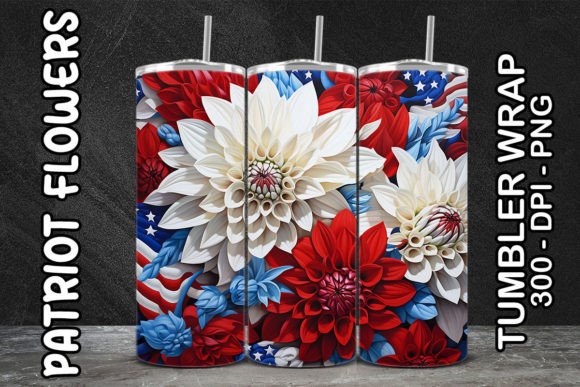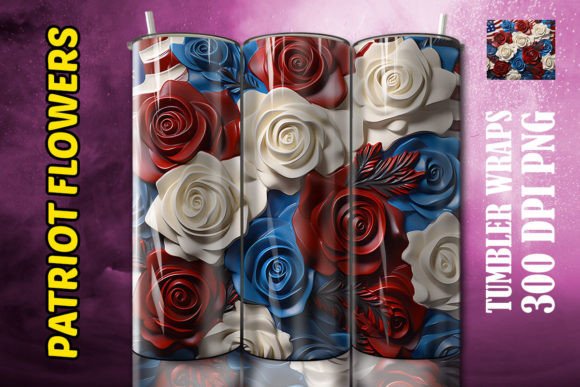
Elevating Drinkware Design with the 3D White Roses Flower Tumbler Aesthetic
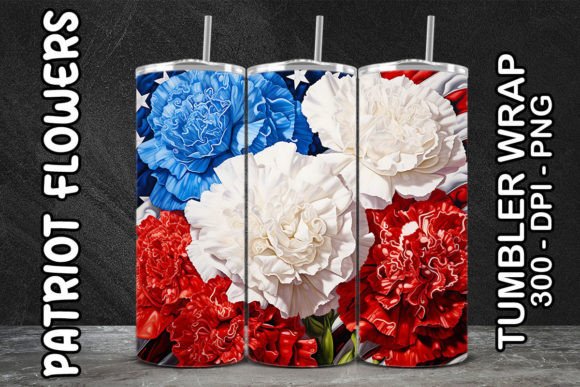
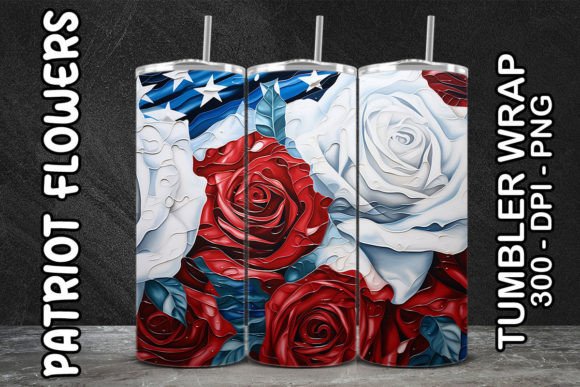
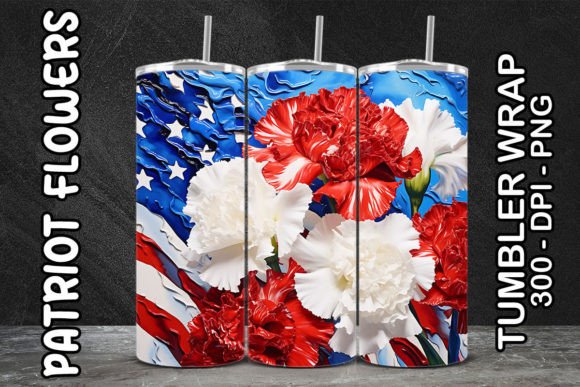
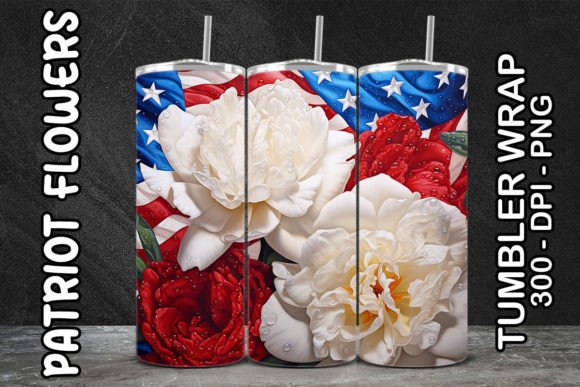
The intersection of floral artistry and functional drinkware has created a significant niche within the sublimation printing community. Among the myriad of botanical designs available to creators, the 3D White Roses Flower Tumbler concept stands out for its unique ability to combine classical elegance with modern depth perception. Unlike flat vector illustrations, three-dimensional rose designs utilize shading, highlighting, and perspective to create an illusion of texture that transforms a standard cylindrical vessel into a piece of tactile art. For professionals, hobbyists, and small business owners operating in the personalized gift market, understanding the technical and aesthetic nuances of this specific design style is essential for producing high-quality merchandise that resonates with consumers seeking sophistication.
The Visual Psychology of Three-Dimensional Floral Depth
When selecting a 3D White roses flower Tumbler Tumbler Wrap PNG File, the primary value proposition lies in the visual weight and realism of the image. White roses traditionally symbolize purity, new beginnings, and reverence, making them a perennial favorite for weddings, memorials, and spring-themed collections. However, the transition from a two-dimensional clipart to a 3D render changes how the viewer interacts with the object. The human eye is naturally drawn to contrast and shadow; a 3D design mimics the way light interacts with physical petals, creating highlights on the curves and deep shadows in the folds.
This optical illusion serves a practical purpose beyond mere aesthetics. On a curved surface like a tumbler, flat designs can sometimes appear distorted or washed out depending on the lighting conditions. A high-quality 3D render maintains its integrity across the curvature because the internal lighting of the digital asset aligns with real-world light sources. For educators teaching graphic design or sublimation techniques, this distinction provides an excellent case study in how digital assets must be optimized for non-planar substrates. The depth ensures that the white petals do not blend into a white background but rather pop against it, maintaining definition even when printed on lighter-colored coatings.
Technical Specifications and File Integrity
Success in sublimation printing is contingent upon precise technical adherence. When acquiring digital assets for this application, understanding the specifications is as important as the artistic merit. The industry standard for these wraps typically involves specific dimensions and resolution requirements to ensure edge-to-edge coverage without pixelation.
Resolution and Dimensional Accuracy
A critical aspect of working with floral tumbler wraps is ensuring the file meets the necessary density for print. Assets categorized under this design niche generally adhere to strict parameters:
- Dimensions: The standard sizing for these wraps is approximately 9.06 inches by 8.11 inches. This specific aspect ratio is engineered to accommodate the most common 20oz skinny straight tumblers while allowing a margin for trimming and alignment.
- Resolution: Files must be rendered at 300 DPI (dots per inch). Anything lower risks visible banding or blurriness when the ink expands into the polymer coating during the heat press process.
- Format: The delivery method is typically a ZIP file containing several PNG files. PNG is preferred over JPEG for sublimation because it supports transparency and lossless compression, preserving the delicate gradients in the rose petals that define the 3D effect.
For researchers and product developers testing new substrate coatings, maintaining these specifications allows for consistent variable testing. If a print appears dull, knowing the source file was verified at 300 DPI eliminates the digital asset as a point of failure, directing troubleshooting efforts toward temperature, pressure, or ink quality instead.
Workflow Integration for Sublimation Professionals
Incorporating a 3D White Roses Flower Tumbler design into a production workflow requires more than simply sending a file to a printer. It demands an understanding of color management and substrate interaction. White flowers present a unique challenge in sublimation because there is no white ink in standard CMYK processes; the "white" of the rose is actually the absence of ink, relying entirely on the white base coat of the tumbler.
Color Management and Contrast Enhancement
Because the design relies on the substrate's base color, professionals must often adjust the digital file before printing. While the 3D White roses flower Tumbler Tumbler Wrap PNG File comes ready for use, experienced operators frequently increase contrast or add subtle cool-toned shadows (cyan or light grey) to the deepest crevices of the roses. This prevents the shadows from looking muddy after the heat transfer. The goal is to enhance the separation between the petal layers, reinforcing the three-dimensional illusion once the ink becomes gas and bonds with the polymer.
Furthermore, users must possess foundational knowledge of sublimation software. These digital files are tools, not finished products. Whether using Photoshop, GIMP, or specialized RIP software, the operator must understand how to resize the 9.06 x 8.11 canvas if their specific tumbler brand varies slightly in circumference. This adaptability is crucial for business owners who source blanks from multiple suppliers, as a variance of even two millimeters can result in unsightly seams or gaps in the floral pattern.
Market Applications and Consumer Demographics
The versatility of the white rose motif extends across multiple consumer demographics, making it a safe yet distinctive inventory choice for sellers. Understanding where this design fits in the broader market helps creators position their products effectively.
Bridal and Event Markets
The most immediate application for 3D White Roses Flower Tumbler designs is the wedding industry. Bridal parties frequently seek cohesive accessories that match floral arrangements. A 3D tumbler wrap offers a photorealistic alternative to fresh flowers, serving as a lasting keepsake. Unlike fresh bouquets that wilt, these tumblers provide permanent decor. For event planners and coordinators, recommending personalized drinkware with high-fidelity floral renders adds a layer of luxury to hospitality packages without the recurring cost of fresh botanicals.
Memorial and Sympathy Gifts
White roses are deeply entrenched in sympathy traditions. In this context, the 3D aspect adds a sense of solemnity and respect that cartoonish or flat designs cannot convey. Creators focusing on the bereavement market find that realistic rendering communicates empathy more effectively. The tactile suggestion of the 3D file translates into a product that feels substantial and thoughtful, which is paramount when creating items intended to honor memory.
Home Decor and Cottagecore Aesthetics
Beyond events, the cottagecore and farmhouse decor trends have sustained demand for botanical imagery. Consumers in this demographic value authenticity and naturalism. A 3D white rose appeals to this sensibility by mimicking the organic imperfections of nature. Business owners curating home goods collections can leverage these wraps to create matching sets—tumblers, coasters, and trivets—that anchor a room’s aesthetic. The digital nature of the ZIP file bundle facilitates this scalability, allowing for rapid prototyping of coordinated product lines.
Navigating Digital Asset Acquisition and Usage Rights
When sourcing a 3D White roses flower Tumbler Tumbler Wrap PNG File, buyers must distinguish between personal and commercial licensing. The description of such assets usually clarifies that the purchase includes an instant digital download. This immediacy benefits creators working on tight deadlines, but it also places the responsibility of file management squarely on the user.
It is vital to reiterate that these transactions involve digital files only. No physical tumbler is shipped. This distinction, while seemingly obvious, remains a common point of confusion for new entrants to the sublimation space. Educators and mentors in the crafting community should emphasize this to prevent customer service issues. Furthermore, users should verify whether the included PNG bundle allows for modification. Some licenses permit altering colors or combining elements, while others restrict the file to "as-is" usage. Understanding these boundaries protects both the creator’s business and the intellectual property of the digital artist.
Optimizing Print Results for Complex Florals
Achieving gallery-worthy results with 3D floral wraps involves mastering the physical pressing process. The complexity of the rose design means that any inconsistency in heat distribution will be immediately visible. Shadows may turn brown if overheated, or highlights may vanish if under-pressed.
Professionals recommend using shrink wrap or silicone bands specifically designed for tumblers to ensure even pressure against the curved surface. Because the 3D White Roses Flower Tumbler design relies on gradient transitions to simulate depth, uneven pressure can cause ghosting or blurring that destroys the 3D effect. Testing on spare blanks is advisable when introducing a new floral wrap to your catalog. Documenting the exact time, temperature, and pressure settings that yield the best color fidelity creates a proprietary knowledge base that streamlines future production.
Additionally, the choice of sublimation paper matters. High-release papers are often superior for detailed 3D renders because they deposit ink more efficiently, preserving the sharpness of the petal edges. When combined with the 300 DPI resolution of the source PNG, high-release paper ensures that the digital depth translates faithfully to the physical object. This attention to material science separates professional-grade outputs from amateur attempts, justifying higher price points and building brand reputation.
Strategic Value of Instant Digital Bundles
From a business operations perspective, utilizing instant download bundles offers significant advantages over commissioning custom art for every project. The ZIP file containing several PNG files model provides variety and redundancy. Having multiple variations of the white rose theme allows sellers to A/B test designs with their audience without additional investment. One variation might feature a tight cluster of buds, while another showcases full blooms; tracking sales data reveals which composition drives conversion.
Moreover, digital inventory eliminates storage costs and supply chain vulnerabilities. In an era where physical shipping delays can disrupt business, having immediate access to high-quality, print-ready assets ensures continuity. For researchers analyzing e-commerce trends in the maker economy, this shift toward digital-first inventory represents a maturation of the industry. It allows micro-businesses to maintain lean operations while offering a diverse catalog of sophisticated designs like the 3D white rose, democratizing access to premium aesthetics previously reserved for large-scale manufacturers.