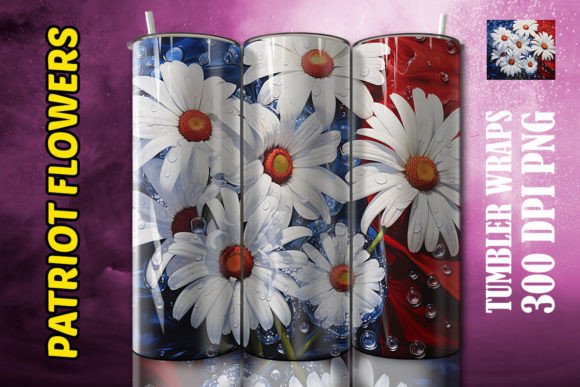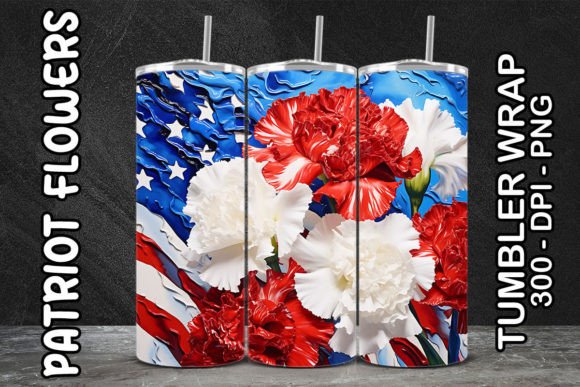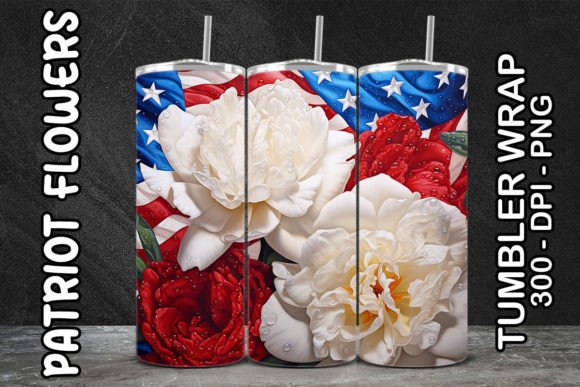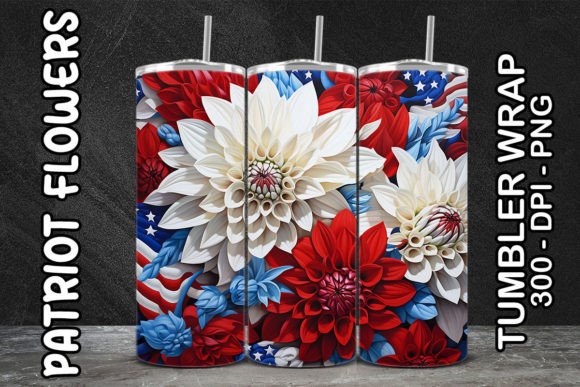
Evaluating 3D White Asters Flower Tumbler 1 for Sublimation Projects
When selecting digital assets for drinkware customization, the distinction between a standard flat pattern and a specialized 3D render significantly impacts the final product's perceived value. The 3D White Asters Flower Tumbler 1 represents a specific category of sublimation design that utilizes shading, lighting effects, and perspective to create an illusion of depth on a curved surface. Unlike traditional vector art or flat raster images, this file is engineered to interact with the cylindrical geometry of a tumbler, making the white asters appear as though they are wrapping organically around the vessel rather than sitting statically on top of it. For creators aged 20 to 50 who are building a portfolio or comparing inventory options, understanding the technical and aesthetic implications of this specific asset is essential for making informed purchasing decisions.
Technical Specifications and File Integrity
Before evaluating the artistic merit, it is necessary to assess whether the technical parameters of the 3D White Asters Flower Tumbler 1 align with production requirements. This digital download includes a ZIP file containing high-resolution PNG files sized at 9.06 inches by 8.11 inches at 300 DPI. These dimensions are critical because they correspond to the standard printable area for many 20oz skinny tumblers. When comparing this asset to generic floral patterns found on open marketplaces, the pre-sized nature of this file reduces the need for extensive resizing, which can often degrade image quality or distort the 3D effect.
The 300 DPI resolution is the industry baseline for sublimation printing. Lower resolution files may appear pixelated when stretched to fit a tumbler wrap, while excessively high resolutions can cause printer buffering issues without adding visible detail. The 9.06 x 8.11 aspect ratio suggests this design is optimized for straight-walled tumblers. Users working with tapered cups or different capacities must evaluate whether this fixed sizing allows for enough margin to crop or stretch without losing the central focal point of the aster arrangement. This is a primary decision factor: if your substrate deviates significantly from standard skinny tumbler dimensions, the utility of this specific pre-sized wrap diminishes compared to scalable vector alternatives.
Aesthetic Distinctions: 3D Renders Versus Flat Florals
The core value proposition of the 3D White Asters Flower Tumbler 1 lies in its visual texture. In the crowded market of floral sublimation designs, white asters are a common motif. However, flat illustrations often lack the dimensionality required to make a tumbler look premium. This design employs digital rendering techniques to simulate shadows and highlights. When applied correctly, the flowers appear to have volume, distinguishing them from the background and creating a tactile visual experience even though the surface remains smooth.
When comparing this style to watercolor florals or line art, the tradeoff becomes apparent. Watercolor designs offer a soft, organic, and often vintage aesthetic that appeals to customers seeking subtlety. Line art provides a modern, minimalist look. The 3D White Asters Flower Tumbler 1, conversely, targets a demographic that prefers bold, realistic, and vibrant imagery. It is less forgiving of printing errors; because the design relies on precise gradients to create the 3D illusion, color banding or ink saturation issues are more noticeable than they would be in a flat color design. Creators must weigh their confidence in their press settings and equipment calibration against the desire for this specific high-impact aesthetic.
Workflow Integration and Skill Requirements
Purchasing the 3D White Asters Flower Tumbler 1 assumes a baseline proficiency in sublimation workflows. As an instant digital download, there is no physical product involved, and no software support is included. This format is ideal for experienced users who have established color profiles and heat press routines. For those still experimenting with temperature, time, and pressure settings, a complex 3D design can be a challenging test case. Simpler, high-contrast designs are often better for troubleshooting equipment issues because variables are easier to isolate.
Furthermore, the PNG format offers transparency and layering capabilities but lacks the editability of vector files. If you frequently customize colors to match specific brand palettes or wedding themes, a raster-based 3D wrap requires advanced photo editing skills to adjust hues without destroying the shadow details that create the depth. Vector-based floral wraps allow for effortless recoloring. Therefore, the 3D White Asters Flower Tumbler 1 is best suited for creators who are satisfied with the existing colorway or possess the technical skill to manipulate raster images non-destructively. If rapid customization is a priority for your business model, this static 3D render may introduce friction into your workflow compared to editable alternatives.
Market Fit and Audience Considerations
Understanding where this design fits within current market trends helps determine its viability for your specific customer base. White asters carry symbolism associated with patience, elegance, and daintiness, making them suitable for gifts, bridal showers, or sophisticated personal use. The 3D rendering elevates the flower from a simple botanical illustration to a statement piece. This positions the finished product at a higher price point than standard floral tumblers, provided the execution matches the digital promise.
However, trends in drinkware are cyclical. While 3D realism has seen a surge in popularity due to advancements in AI generation and digital art tools, there remains a strong counter-movement toward retro, boho, and minimalist aesthetics. Evaluating the 3D White Asters Flower Tumbler 1 requires an honest assessment of your target audience. If your customers primarily seek trendy, muted, or nostalgic designs, a hyper-realistic 3D flower may feel out of place. Conversely, if your audience responds well to detailed nature photography or luxury-style accessories, this design fills a specific niche that flat graphics cannot occupy. Comparing sales data or engagement metrics on similar 3D versus flat products in your own shop or region can provide empirical evidence to support this decision.
Limitations and Practical Tradeoffs
No digital asset is universally applicable, and the 3D White Asters Flower Tumbler 1 carries specific limitations. The fixed dimensions of 9.06 x 8.11 inches mean that seam alignment is critical. On a tumbler wrap, the left and right edges must meet perfectly to maintain the continuity of the 3D effect. If the design does not include a built-in bleed zone or overlap guide, users must manually calculate margins based on their specific tumbler circumference. This adds a step of mathematical precision that is unnecessary with seamless repeating patterns.
Additionally, the white color of the asters presents a unique challenge in sublimation. Since sublimation ink is translucent, white areas are created by the absence of ink, relying entirely on the white coating of the tumbler. Any dust, lint, or scorch marks on the blank will show up prominently against the white petals. Darker 3D floral designs are more forgiving of minor substrate imperfections. When choosing this specific white aster design, one must also commit to rigorous cleaning protocols and potentially higher-quality blanks to ensure the pristine appearance the digital file promises. This increases the per-unit cost and risk compared to darker, busier patterns that hide flaws.
Making the Final Selection
Deciding whether to integrate the 3D White Asters Flower Tumbler 1 into your resource library involves balancing aesthetic goals with technical realities. It is an excellent choice for creators who want to showcase high-fidelity printing capabilities and cater to customers who appreciate realistic botanical art. The pre-set 300 DPI resolution and tumbler-specific sizing streamline production for standard 20oz skinny tumblers, reducing prep time for compatible projects.
However, it is not the optimal choice for every situation. If you require extensive color customization, work with non-standard tumbler sizes, or are currently refining your sublimation technique, alternative formats may offer a safer or more versatile starting point. The decision should ultimately rest on whether the specific visual impact of 3D white asters aligns with your current product lineup and whether your production environment can consistently reproduce the delicate gradients and bright whites that define this design. By weighing these factors objectively, you can determine if this digital asset serves as a valuable addition to your toolkit or if another option better suits your current operational needs and creative direction.