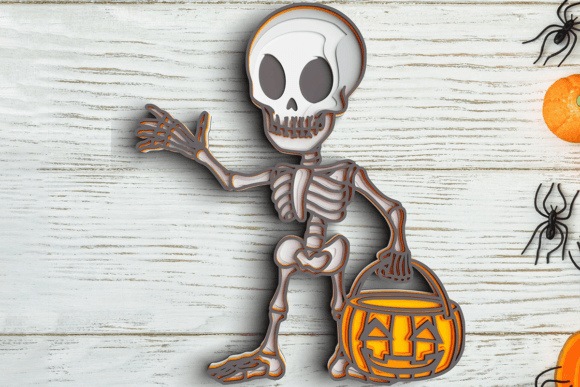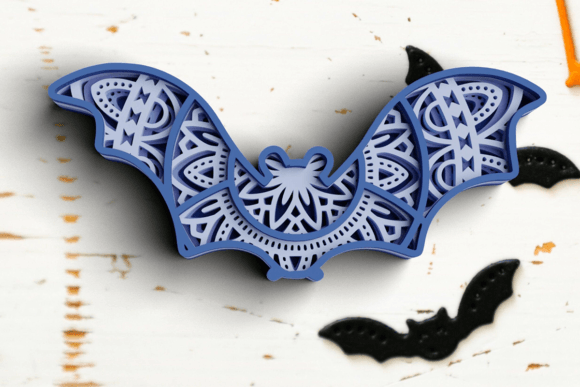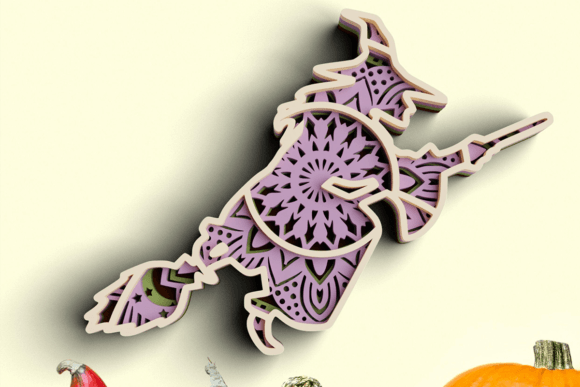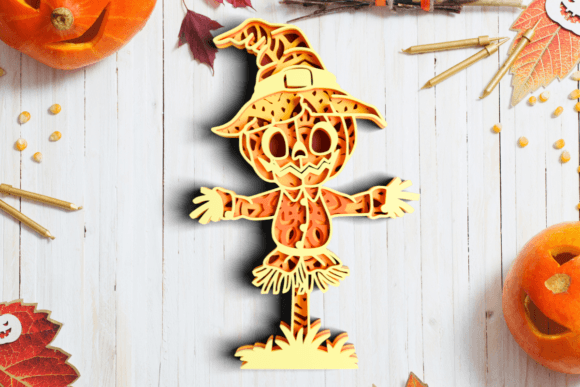
Mastering 3D Layered Halloween Projects with Precision Digital Cut Files
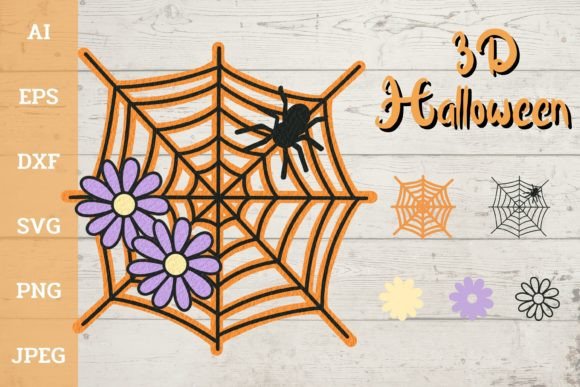
Creating dimensional paper art requires more than just a creative eye; it demands technical precision and high-quality source files. When crafting for the autumn season, specifically for 3D Layered Halloween displays, the difference between a flat cutout and a stunning shadow box often lies in the file resolution and layer organization. This specific digital collection, featuring an 8.5 x 8.5 inch artwork size at 300 DPI, provides the exact specifications needed for professional-grade laser cutting and printing. Understanding how to leverage these layered spider webs and flowers can transform your seasonal decor from simple crafts into intricate works of art.
The Importance of Resolution and Sizing in Paper Crafting
One of the most critical factors in digital fabrication is resolution. Many free or low-cost design files suffer from pixelation when scaled up, resulting in jagged edges that ruin the delicate aesthetic of paper layering. This download ensures clarity by providing files at 300 DPI (dots per inch). For crafters using laser cutters like Glowforge or high-end inkjet printers for print-then-cut projects, this density is non-negotiable. It guarantees that the intricate details of the spider web strands and flower petals remain crisp, even when the design is utilized at its full 8.5 x 8.5 inch capacity.
The square format is particularly versatile for modern framing and shadow box construction. Standard square frames are readily available, and the 8.5-inch dimension fits perfectly within standard letter-sized paper boundaries, minimizing waste during the cutting process. When working on 3D Layered Halloween projects, maintaining this aspect ratio allows for seamless stacking without the need for complex resizing that might distort the alignment of individual layers.
Navigating File Formats for Various Cutting Machines
A major advantage of this digital bundle is its comprehensive compatibility across different ecosystems. Crafters rarely use just one machine or software, and having access to AI, EPS, SVG, DXF, JPEG, and PNG formats streamlines the workflow significantly. Understanding which file to use for your specific hardware is essential for efficiency.
- SVG for Cricut and Silhouette: The SVG (Scalable Vector Graphics) files are optimized for Cricut Design Space and Silhouette Designer Edition. These vectors maintain mathematical precision, allowing you to resize the spider webs and flowers infinitely without losing quality. They also retain layer separation, meaning you do not have to manually ungroup or reassign cut lines.
- DXF for Silhouette Basic and ScanNCut: For users without the premium Designer Edition or those using Brother ScanNCut machines, the DXF format serves as a reliable alternative. While sometimes requiring manual layer assignment, it ensures broad accessibility for vector-based cutting.
- AI and EPS for Professional Editing: Adobe Illustrator and Corel Draw users will appreciate the source files. These allow for deep customization, such as altering the stroke width of the web or reshaping flower petals before exporting to a cutter-specific format. Inkscape users can also utilize these vector formats for free, open-source editing.
- PNG and JPEG for Print and Clipart: Not every project involves cutting. The included high-resolution raster files serve as excellent clipart for digital invitations, sublimation prints, or traditional scrapbooking where a physical cut is not required.
Design Strategy: Color Selection and Layer Stacking
The true magic of 3D Layered Halloween art emerges during the assembly phase. Because this is a digital cut file, the color palette is entirely in your hands. The listing provides example files to visualize potential outcomes, but the physical result depends on your paper choice. Selecting paper of different colors is fundamental to achieving depth. Without color contrast, the layers visually merge, flattening the 3D effect.
Consider the thematic elements included in this pack. The two layered spider web designs offer a structural base. Using a stark white or silver cardstock for the web against a deep purple, orange, or black background creates immediate visual pop. The three layered flower designs add an organic, gothic softness that balances the rigid geometry of the webs. When stacking these elements, pay attention to paper weight. Using 65lb to 80lb cardstock prevents sagging, while foam spacers or adhesive dots between layers enhance the shadow effects that define this art form.
Optimizing Workflows for Laser Cutting vs. Blade Cutting
While these files are versatile, the preparation process differs depending on whether you are using a laser cutter or a mechanical blade cutter. For laser cutting enthusiasts, the 300 DPI resolution ensures that engraving lines (if added) align perfectly with cut lines. The vector paths in the AI and EPS files are typically closed and optimized, reducing the risk of double-cuts or scorch marks caused by overlapping lines. Always perform a test cut on scrap paper to calibrate speed and power settings, especially for the fine details in the spider web sections.
For blade cutting with machines like Cricut or Silhouette, material settings are paramount. Intricate webs can tear if the blade is dull or the pressure is too high. Utilizing the "intricate cut" setting or adjusting the multi-cut function can help achieve clean edges. Since the files come pre-layered, you can easily assign specific colors to specific mats, streamlining the loading process. Remember that any background shown in promotional images is for demonstration only; you must source and prepare your own backing paper to complete the composition.
Practical Applications Beyond Shadow Boxes
While shadow boxes are the primary application for 3D Layered Halloween files, the utility of these assets extends further. The modular nature of the design allows for component isolation. You might use just the spider web layer as a cake topper, scaling it down to fit a 6-inch round. Alternatively, the flower elements could be repurposed for handmade greeting cards or gift tags. The high-quality vectors ensure that even at smaller scales, the design integrity remains intact.
Educators and workshop leaders also find value in such comprehensive packs. Having multiple file types means participants with different machines can all work on the same project simultaneously. The clear layering structure serves as an excellent teaching tool for explaining z-axis depth, color theory, and assembly techniques in paper engineering classes.
Ensuring Successful Assembly and Longevity
Digital files provide the blueprint, but archival quality depends on physical materials. When creating heirloom-quality Halloween decor, opt for acid-free and lignin-free cardstock. This prevents yellowing over time, ensuring that your white spider webs remain bright and your colored backgrounds do not fade. Adhesive choice is equally important; liquid glues can cause warping in detailed cutouts, whereas double-sided tape sheets or precision glue pens offer cleaner results for complex layering.
Finally, organization is key to a smooth building experience. Before cutting, label your layers or organize them on your cutting mat in the order of assembly. With five distinct layered components across the two zip files, keeping track of which flower petal belongs to which stack saves significant frustration. By combining high-resolution digital assets with thoughtful material selection and assembly techniques, crafters can fully realize the potential of these designs, creating sophisticated, multidimensional art that captures the spirit of the season with professional finesse.