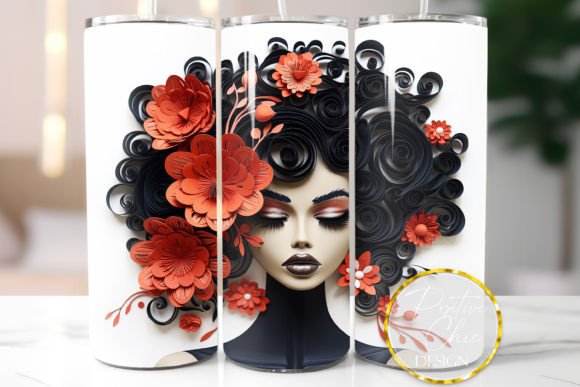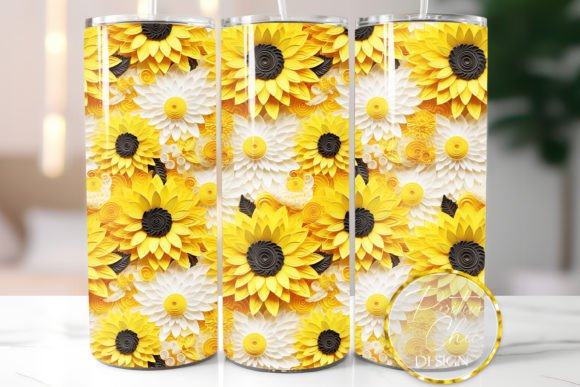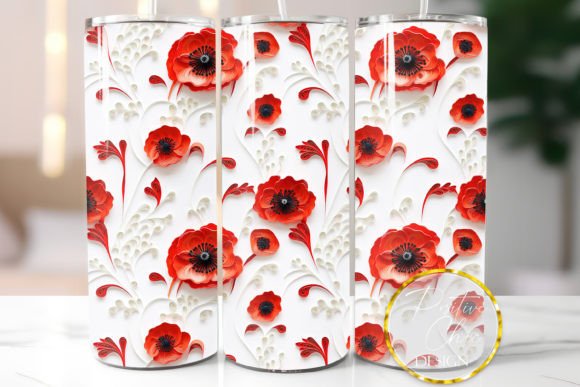
Mastering 3D Poppies Tumbler Wraps: A Complete Guide to Sublimation PNGs and 20oz Skinny Designs
The world of custom drinkware has exploded in popularity, transforming ordinary hydration vessels into personalized works of art. At the forefront of this creative movement is sublimation printing, a technique that allows for vibrant, full-color designs to be permanently infused into coated surfaces. Among the most sought-after assets in this niche are digital design files, specifically the 3D Poppies Tumbler Wrap Sublimation PNG. Whether you are a seasoned craft business owner or a hobbyist just starting your journey, understanding the technical specifications and practical applications of these 20 OZ Skinny Tumbler Wrap Sublimation Design PNG Instant Digital Download files is essential for achieving professional results.
This guide explores everything you need to know about utilizing high-resolution sublimation wraps, from understanding file formats and sizing nuances to selecting the right software and managing color expectations. By grasping these foundational concepts, you can elevate your crafting projects and avoid common pitfalls associated with digital design transfers.
Understanding Sublimation PNG Files vs. Cut Files
One of the most critical distinctions for beginners to grasp is the difference between a sublimation file and a cut file. When you purchase a 3D Poppies Tumbler Wrap, you are acquiring a raster image designed specifically for ink transfer, not for vinyl cutting. This distinction dictates how you interact with the file and what equipment is required.
Why This Is Not a Cut File
It is vital to understand that NO SVG files are included with this type of digital download. SVG (Scalable Vector Graphics) files are typically used with cutting machines like Cricut or Silhouette to create vinyl decals. In contrast, a sublimation PNG is a high-density pixel-based image. Attempting to use this file in cutting software like Design Space or Silhouette Studio will likely result in frustration, as these programs are not optimized for processing high-DPI raster images for print purposes.
Please note: We do not recommend printing from a cutting software like Design Space or Silhouette. This is NOT a cut file and is not compatible with these types of software as it is a sublimation file.
The Role of Raster Images in Sublimation
Sublimation relies on dye turning into gas under heat and pressure, bonding with polymer coatings. To achieve the photorealistic depth seen in 3D poppy designs, the file must contain millions of color data points. A 300 DPI PNG provides this density, ensuring that when the ink transfers to the tumbler, the floral details remain crisp and the shading creates a convincing three-dimensional effect without pixelation.
Technical Specifications and Sizing Strategy
Digital downloads for tumblers are not one-size-fits-all, despite standard naming conventions. Understanding the specific dimensions of your Instant Digital Download PNG File ensures a seamless application process.
Resolution and Dimensions
The industry standard for high-quality sublimation is 300 DPI (dots per inch). This resolution ensures that the printed output matches the screen preview in clarity. For this specific 20oz skinny tumbler wrap, the approximate size is 9.3 x 8.2 inches. This dimension covers the circumference and height of a standard straight skinny tumbler while providing necessary bleed area.
The Importance of Intentional Oversizing
You may notice that the design is created slightly larger than the exact measurements of some 20oz tumblers. This is a deliberate and beneficial feature. This design is created sized slightly larger at a 20oz Skinny Straight tumbler size. The reason for this variance is that manufacturing tolerances differ across brands. One manufacturer’s 20oz tumbler might have a circumference of 9.1 inches, while another measures 9.25 inches.
By providing a file that is slightly oversized, the designer allows you to resize the image to fit your specific brand of tumbler’s exact dimensions. It is always safer to shrink a high-resolution image down than to stretch a small image up, which causes blurring. This flexibility ensures that your 3D poppies wrap edge-to-edge perfectly, regardless of minor manufacturing variances.
Software Compatibility and Workflow Best Practices
Selecting the correct software is just as important as having the right printer. Because sublimation is a printing process rather than a cutting process, your software choice should focus on image manipulation and color management.
Recommended Software Solutions
If you do not have a dedicated sublimation print manager or RIP (Raster Image Processor) software, there are excellent accessible alternatives. Recommended free software like Paint, Canva, or Inkscape can handle PNG files effectively for sublimation workflows.
- Canva: Excellent for beginners; allows for easy resizing and positioning of the wrap before printing.
- Inkscape: A powerful open-source vector editor that handles raster imports well and offers advanced color adjustments.
- Paint / Photo Viewers: Suitable for simple, direct printing where no resizing or editing is needed.
Equipment Requirements
Remember that the digital file is only one component of the system. Sublimation requires sublimation equipment as well as special inks and substrates. You cannot use standard inkjet ink or regular paper. The tumbler itself must be poly-coated or made of specific polymers to accept the sublimation dye. Attempting to use this PNG with standard office supplies will result in a failed project.
Navigating Color Variations and Expectations
A frequent source of confusion for new sublimation artists is the discrepancy between screen colors and printed colors. Understanding the science behind color spaces helps manage expectations and reduce waste.
Screen vs. Print Reality
Please know that colors vary from computer to computer and will depend on your printer, ink used, and substrates. Monitors display color using light (RGB), while printers create color using ink (CMYK). Furthermore, sublimation ink appears dull and muted on paper before heat pressing. The vibrant 3D poppy colors only emerge after the chemical reaction occurs under heat.
Factors Influencing Final Output
- Monitor Calibration: An uncalibrated screen may show warmer or cooler tones than reality.
- Ink Brand: Different sublimation ink manufacturers use varying pigment formulations.
- Tumbler Coating: White coatings can vary in brightness; some are creamy, others are stark white, affecting the final perceived color.
- Press Settings: Time, temperature, and pressure all influence color saturation and vibrancy.
To mitigate these variables, experienced creators always perform test prints and keep a physical color chart reference for their specific printer and substrate combination.
Purchasing Policies and Digital Product Ethics
When dealing with instant digital downloads, both buyers and sellers operate under unique constraints compared to physical goods. Understanding these policies protects both parties and fosters a respectful marketplace.
The No-Refund Policy Explained
Due to the nature of this sale, NO REFUNDS WILL BE GIVEN. This is standard practice across the digital design industry. Once a file is downloaded, it cannot be "returned" or un-downloaded. Unlike a physical tumbler that can be shipped back, a digital asset remains in the buyer's possession indefinitely. This policy ensures the sustainability of independent designers who invest significant time creating high-DPI, properly sized artwork.
Communication and Support
While refunds are not available for digital files, reputable sellers stand behind their product quality. Please message me for questions or if any issues arise. If you encounter file corruption, sizing discrepancies beyond the stated specifications, or technical difficulties accessing your download, communication is the first step toward resolution. Most issues stem from software incompatibility or misunderstanding of file types, which can often be resolved through guidance rather than financial reimbursement.
Creative Applications in Modern Crafting
The 3D Poppies Tumbler Wrap represents more than just a digital file; it symbolizes the intersection of technology and traditional craftsmanship. In modern life, these designs serve multiple purposes:
- Small Business Inventory: Creating seasonal or evergreen products for e-commerce shops.
- Personalized Gifting: Customizing drinkware for weddings, birthdays, or memorials featuring favorite flowers.
- Educational Practice: Learning color correction, scaling, and heat press techniques through tangible projects.
- Therapeutic Creativity: Engaging in a hands-on process that combines digital selection with physical creation.
By mastering the technical aspects of 20 OZ Skinny Tumbler Wrap Sublimation Design PNG Instant Digital Download files—from respecting the 300 DPI requirement to choosing appropriate software—you transform a simple digital transaction into a gateway for endless creative expression. Understanding these fundamentals ensures that every 3D poppy bloom transferred to a tumbler is as vibrant and enduring as intended.