Mastering Sublimation Design: A Guide to 3D Flower Tumbler Wraps and Digital Art Assets
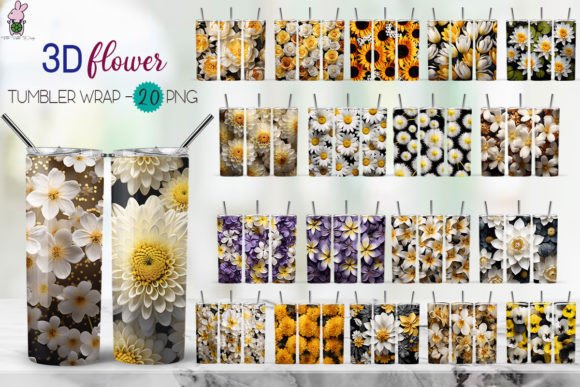
In the rapidly evolving world of personalized merchandise and DIY crafting, the intersection of digital artistry and physical production has created entirely new categories of creative expression. One of the most vibrant examples of this synergy is the sublimation tumbler market. For creators, small business owners, and hobbyists, understanding the technical and aesthetic nuances of digital assets like the 3D Flowers Background Bundle is essential for producing professional-grade results. This guide explores the significance of high-resolution digital designs, specifically focusing on colorful 3D aster tumbler wraps and stained glass aesthetics, to help you navigate the landscape of modern sublimation printing with confidence.
The Evolution of Tumbler Customization
To appreciate the value of a specialized digital download, one must first understand the shift in consumer expectations regarding personalized drinkware. Gone are the days when vinyl decals were the sole standard for custom tumblers. While vinyl remains popular, the market has largely pivoted toward full-wrap sublimation. This technique allows for edge-to-edge color, intricate gradients, and photorealistic textures that vinyl simply cannot replicate.
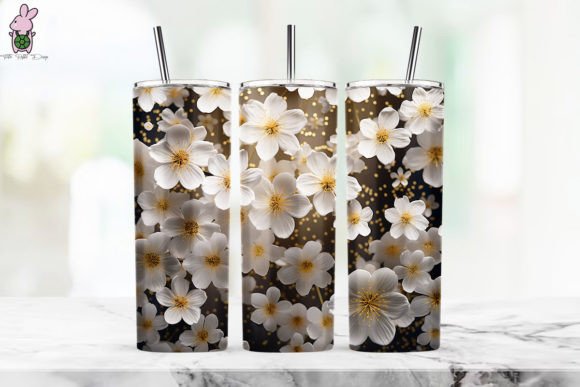
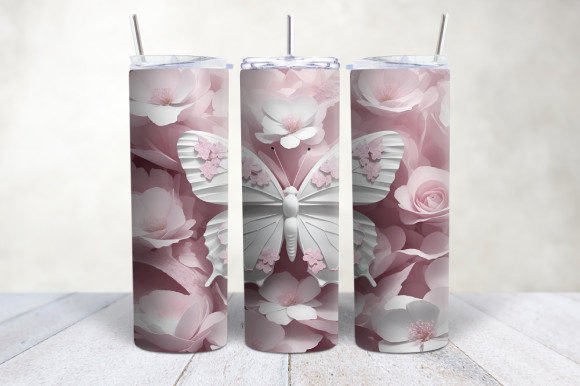
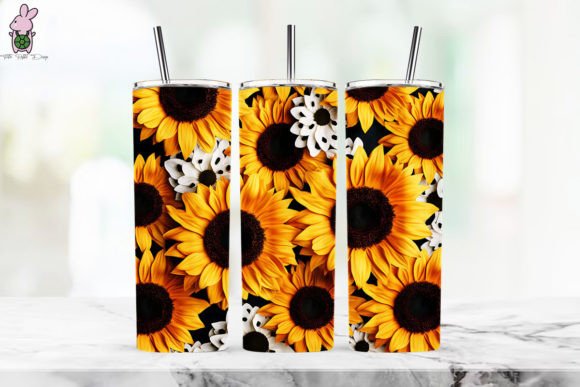
The Colorful 3D Aster Tumbler Wrap represents the current pinnacle of this trend. It moves beyond flat, two-dimensional vector art into the realm of simulated depth and texture. When a design features a "stained glass" effect combined with 3D flowers, it is leveraging visual psychology to make a cylindrical metal object appear as though it possesses the delicate translucency of glass and the tactile presence of real botanicals. For the modern crafter, these designs are not merely pictures; they are engineered assets designed to transform a blank canvas into a perceived luxury item.
Understanding Technical Specifications: Resolution and DPI
A common point of confusion for beginners entering the sublimation space is the relationship between file size, resolution, and print quality. When evaluating a digital product listing, such as a bundle offering 20 PNG files at 4608 px x 4096 px, it is vital to understand why these numbers matter.
The Importance of 300 DPI
DPI stands for "dots per inch," and it is the primary metric for print clarity. Screen displays typically operate at 72 or 96 PPI (pixels per inch), which is sufficient for web viewing but disastrous for physical printing. Sublimation requires a minimum of 300 DPI to ensure that the ink transfers sharply onto the polymer coating of the tumbler. A file sized at 4608 x 4096 pixels at 300 DPI provides enough data density to cover a 20 oz skinny tumbler without pixelation. Using lower-resolution images often results in blurry edges and muddy colors, particularly in complex designs like watercolor backgrounds where subtle color blending is key.
Why PNG Format?
You will notice that high-quality sublimation bundles almost exclusively use the PNG format rather than JPEG. This distinction is critical for educational purposes. JPEGs use lossy compression, meaning they discard data to reduce file size, often creating artifacts around high-contrast edges. PNGs utilize lossless compression, preserving every pixel of the original artwork. For a design featuring intricate 3D flowers and stained glass lines, maintaining the integrity of those sharp boundaries and smooth gradients is non-negotiable. Furthermore, PNGs support transparency, allowing crafters to layer elements or modify backgrounds if they possess intermediate editing skills.
Aesthetic Trends: Stained Glass and 3D Botanicals
The specific combination of stained glass motifs and 3D asters found in this type of background bundle reflects broader trends in digital surface design. Understanding these trends helps sellers and creators align their products with current market demands.
- Simulated Texture: Modern sublimation buyers crave texture. Since tumblers are smooth to the touch, the eye must be tricked into feeling the surface. 3D rendering techniques create shadows and highlights that mimic the raised lead lines of stained glass or the velvety petals of an aster.
- Watercolor Fusion: The inclusion of a flower watercolor background serves a functional purpose beyond aesthetics. Watercolor textures provide organic variation that hides minor printing imperfections better than solid blocks of color. They also add a softness that balances the rigid geometry of stained glass patterns.
- Vibrancy and Contrast: Sublimation ink can sometimes appear duller on paper than it does after heat transfer. Designs labeled as "colorful" are often saturated intentionally to account for the gassing process during heating, ensuring the final product pops against the white base coat of the tumbler.
Navigating Digital Downloads: Expectations vs. Reality
One of the most significant hurdles for newcomers to digital crafting is managing expectations regarding what is actually being purchased. Educational clarity here prevents dissatisfaction and returns.
The "Digital Only" Distinction
It cannot be overstated that listings for a 3D Flowers Background Bundle are strictly digital. No physical tumbler, no printed paper, and no shipping occurs. This business model relies on the user having access to the necessary hardware: a sublimation printer, sublimation ink, heat press (or convection oven), and 20 oz skinny tumbler blanks. Understanding this prerequisite is the first step in responsible purchasing.
Cutting Files vs. Print Files
A frequent misunderstanding involves file utility. Products described as tumbler wraps are raster images meant for printing. They are not cutting files. Cutting files (like SVG or DXF) contain vector paths used by machines like Cricut or Silhouette to cut vinyl or cardstock. Attempting to use a 4608px PNG wrap as a cut file will result in failure. Recognizing the difference between "print-ready" and "cut-ready" is fundamental to digital crafting literacy.
Practical Application in Business and Creativity
For entrepreneurs, assets like the Colorful 3D Aster Tumbler Wrap serve as scalable inventory. Unlike hand-painting each tumbler, which limits production capacity, digital bundles allow for infinite reproduction. This scalability is what makes sublimation a viable business model. However, success requires more than just downloading a file; it requires color management.
The disclaimer that "colors may vary between devices and printers" is a crucial educational note. Monitors emit light (RGB color space), while printers reflect light using ink (CMYK color space). A vibrant neon aster on your screen may print as a muted purple. Experienced sublimation artists mitigate this by creating test prints and adjusting ICC profiles specific to their printer and ink combination. Viewing digital bundles as a starting point for calibration, rather than a guaranteed identical replica of the screen image, is the mark of a professional.
Building a Broader Understanding of Digital Assets
Ultimately, engaging with products like the Stained Glass Tumbler design is an exercise in modern digital literacy. It teaches users about resolution, color theory, file formats, and manufacturing processes. Whether you are a hobbyist looking to create a unique gift or a business owner expanding your product line, the knowledge gained from working with high-quality 3D flower backgrounds extends far beyond a single tumbler.
These digital bundles represent a democratization of design. Complex artistic styles that once required hours of manual painting or advanced 3D rendering skills are now accessible as instant downloads. By understanding the technical foundations and artistic context of these files, creators can move beyond simple assembly and begin to truly master the art of sublimation. The journey from a PNG file on a computer screen to a tangible, beautiful object in hand is a rewarding process that blends technology, art, and craftsmanship in equal measure.
As you explore the possibilities of 3D floral wraps and stained glass aesthetics, remember that the tool is only as effective as the understanding behind it. Invest time in learning your equipment, respect the technical specifications of your digital assets, and embrace the creative potential that these modern resources offer. With the right knowledge, every digital download becomes an opportunity to create something extraordinary.